
Dried Oyster
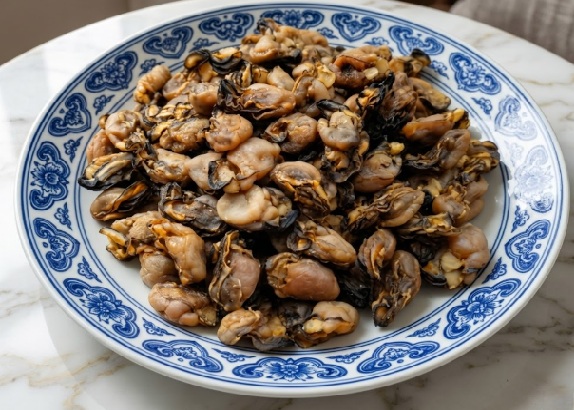
Dried Oyster (Hao Gan): A Savory Treasure for Vitality, Liver Health, and Blood Nourishment
Introduction
Dried oyster, known as Hao Gan (蚝干) or Li Huang (牡蛎) in Traditional Chinese Medicine (TCM), is a highly prized seafood delicacy. Renowned for its intense, deep umami flavor, it is more than just a culinary staple; it is a potent tonic used to nourish the blood, support liver health, and promote overall vitality. Often found in celebratory dishes, slow-cooked soups, and rich stews, it is a concentrated source of essential minerals, particularly zinc.
What Is Dried Oyster?
Dried oysters are fresh oysters that have been boiled and then sun-dried or dehydrated to concentrate their nutritional value and flavor. In TCM, they are classified as having a neutral to slightly warm temperature and a salty, sweet taste. They primarily enter the Liver and Kidney meridians, making them a premier ingredient for addressing blood deficiency, calming the mind, and restoring energy.
Health Benefits of Dried Oyster
Nourishes Blood and Yin
Traditionally used to replenish vital fluids and nourish the blood, helping to alleviate symptoms like dizziness, pale complexion, and dryness related to aging or fatigue.
Powerhouse of Zinc and Essential Minerals
Oysters are among the highest natural sources of zinc, which is crucial for immune function, DNA synthesis, reproductive health, and maintaining healthy skin.
Supports Liver Health and Calms the Mind
In TCM, they are believed to soothe liver “Yang” and anchor floating energy, which helps reduce irritability, promote better sleep, and manage stress.
Promotes Heart and Cardiovascular Health
Rich in taurine and omega-3 fatty acids, dried oysters help support healthy cholesterol levels and maintain smooth blood circulation.
How to Use Dried Oyster
In slow-cooked festive dishes (like “Ho See Fat Choy”)
Commonly braised with sea moss and mushrooms during Lunar New Year, as their name sounds like “good business” or “good fortune” in Cantonese.
As a base for medicinal soups and stews
Simmered with pork ribs, lotus root, or goji berries to create a mineral-rich broth that restores energy and enriches the blood.
In savory congees and porridges
Chopped or sliced dried oysters add a deep, smoky, and briny flavor to rice porridge, making it an excellent recovery food for those feeling depleted.
How to Prepare Dried Oyster
Rinse the dried oysters under cool water to remove any surface dust or sand. Soak them in warm water for 30 to 60 minutes until they become plump and pliable. For a richer flavor and to remove any strong fishy notes, you can add a slice of ginger or a splash of cooking wine to the soaking water. Retain the soaking liquid (filtering out any grit), as it is packed with intense flavor and can be added directly to your cooking pot.
Where to Buy Dried Oyster
Available from Asian markets and TCM herbal shops, as well as specialty seafood exporters or online TCM retailers.
Look for:
- A plump shape with a rich, golden-brown or dark amber color
- A firm yet slightly pliable texture (avoid those that are rock-hard or overly sticky)
- A rich, savory, and briny aroma without a sour or chemical scent
- Whole pieces that are free from mold or excessive broken fragments
Are There Any Side Effects?
Dried oysters are safe for most people when consumed as food. However, because they are naturally high in purines, individuals with gout should consume them in moderation. As a concentrated seafood product, those with shellfish allergies must avoid them entirely. People with sensitive digestive systems should ensure they are thoroughly cooked.
Conclusion
Dried oyster (Hao Gan) is a versatile “superfood” of the sea that bridges the gap between gourmet cuisine and restorative medicine. Whether used to flavor a celebratory feast or a simple everyday tonic, it remains a cornerstone for those seeking to support their blood health, liver vitality, and long-term wellness.
FAQ
Can dried oysters help with immune health?
Yes, their exceptionally high zinc content makes them excellent for supporting a strong and responsive immune system.
Is it necessary to soak them before cooking?
Yes, soaking rehydrates the oysters so they cook evenly and helps release their deep umami flavors into your dish.
How should I store them?
To maintain freshness and prevent mold, store dried oysters in an airtight container in the refrigerator for short-term use, or in the freezer for long-term storage.