
Chinese Chestnut
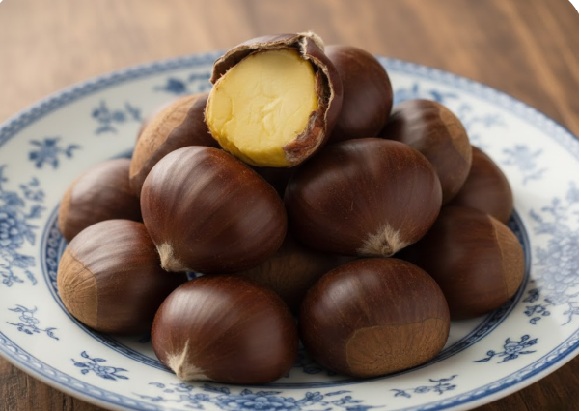
Chinese Chestnut (Ban Li): A Sweet, Warm Food Therapy for Strengthening the Kidneys, Supporting Digestion, and Nourishing Qi
Introduction
Chinese Chestnut, known as Ban Li (板栗) in Traditional Chinese Medicine (TCM) food therapy, is traditionally used to strengthen the Kidneys, support digestion, and nourish Qi. Sweet and warm in nature, it is valued for helping tonify Kidney Qi, support the Spleen, and promote overall vitality and stamina.
What Is Chinese Chestnut (Ban Li)?
Chinese Chestnut is the edible nut of Castanea mollissima, widely used in Asian culinary traditions. In TCM food therapy, Ban Li is added to soups, stews, porridges, and roasted dishes to tonify the Kidneys, strengthen digestion, and gently build energy without being overly rich or cloying.
Health Benefits of Chinese Chestnut (Ban Li)
Strengthen the Kidneys
Chinese Chestnut is traditionally used to tonify Kidney Qi, helping with lower back weakness, fatigue, and reduced physical stamina.
Support Digestion
It supports the Spleen and digestive system, improving appetite and helping the body transform and transport nutrients more effectively.
Nourish Qi
Ban Li is valued for gently boosting overall energy levels and supporting recovery after illness or prolonged fatigue.
Promote Respiratory Strength
Traditionally, it is also used to help support Lung function and ease mild chronic cough associated with deficiency patterns.
How to Use Chinese Chestnut (Ban Li)
As a Food Therapy
Chinese Chestnuts can be roasted, steamed, or added to soups and congee, often combined with chicken, pork, or root vegetables.
As a Daily Support
Suitable in moderate amounts as part of balanced meals, particularly during cooler months when warming foods are beneficial.
In Traditional Preparations
Often combined with yam (Shan Yao), goji berries (Gou Qi Zi), or lotus seed to enhance Kidney- and Spleen-supporting effects.
Where to Buy Chinese Chestnut
Chinese Chestnuts are available fresh in season, dried, or vacuum-packed in Asian grocery stores and online. Choose firm nuts free from mold, cracks, or excessive dryness.
Are There Any Side Effects?
Chinese Chestnut is generally safe as a food. Because it is warming and slightly tonifying, individuals with significant Heat patterns or severe digestive stagnation should consume it in moderation.
Conclusion
Chinese Chestnut (Ban Li) is a nourishing TCM food therapy used to strengthen the Kidneys, support digestion, build Qi, and promote overall vitality.
FAQs
Is Chinese Chestnut toxic?
No, Chinese Chestnut is non-toxic and widely consumed as both a nutritious food and traditional food therapy ingredient.
Can Chinese Chestnut be used daily?
Yes, in moderate amounts as part of a balanced diet, especially when Kidney- and Qi-tonifying support is desired.
Is Chinese Chestnut warming or cooling?
It is considered warm, with Kidney-tonifying and Spleen-supporting properties when properly prepared.