
Dried Lemon Balm
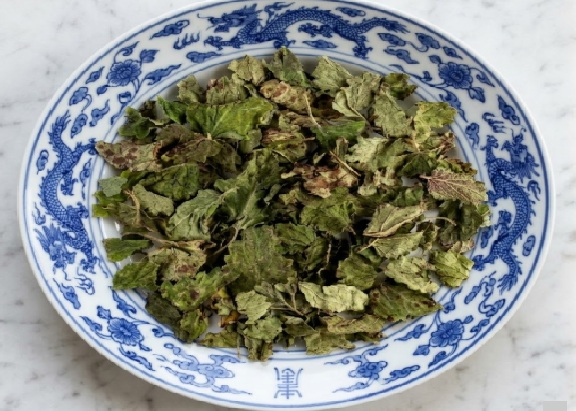
Dried Lemon Balm (Ning Meng Xiang Feng Cao / Lemon Balm): A Lightly Lemon-Scented, Mild, Slightly Cooling Herb for Supporting Relaxation, Digestion, and Herbal Teas
Introduction
Lemon balm has long been appreciated in traditional herbal tea traditions for its fresh citrus-like aroma and gentle, calming qualities. In herbal wellness drinks and light food therapy preparations, it is valued for helping support relaxation, digestion, and overall balance. The dried leaves are commonly used to create soothing herbal teas enjoyed throughout the day.
What Is Lemon Balm?
Lemon balm is the dried leaf of the plant known as Melissa officinalis, a member of the mint family. The leaves contain naturally aromatic oils that give the herb its soft lemon fragrance and mild flavor. Once dried, the leaves can be steeped in hot water to make herbal teas or blended with other herbs in traditional wellness drinks.
Health Benefits of Lemon Balm
Supports Relaxation and Calm
Lemon balm has traditionally been used in herbal teas that help support relaxation and promote a calm, balanced mood.
Supports Healthy Sleep
Lemon balm tea is commonly enjoyed in the evening as part of simple herbal routines that help support restful sleep.
Supports Digestive Comfort
In traditional herbal preparations, lemon balm has been used to help soothe the stomach and support comfortable digestion after meals.
Supports Stress and Emotional Balance
Herbal traditions often include lemon balm in calming tea blends intended to support the body during periods of stress or tension.
Supports Gentle Nervous System Support
Because of its mild and soothing qualities, lemon balm is frequently used in teas designed to support overall nervous system balance.
How to Use Lemon Balm
Lemon Balm Herbal Tea
One to two teaspoons of dried lemon balm leaves can be steeped in hot water for 5–10 minutes to create a gentle, lemon-scented herbal tea.
Calming Evening Tea
Lemon balm is often combined with herbs such as chamomile, mint, or jujube to create relaxing evening tea blends.
Digestive Tea Blends
The herb can be blended with ingredients such as ginger, chrysanthemum, or citrus peel to make light digestive-supporting herbal teas.
Honey Lemon Balm Tea
Dried lemon balm can be steeped in hot water and lightly sweetened with honey to create a soothing herbal drink.
Infused Wellness Drinks
Lemon balm may also be added to warm or room-temperature water to create refreshing herbal infusions enjoyed throughout the day.
Traditional Food Therapy Recipes
Lemon balm is most commonly used in herbal teas and calming wellness drinks. It may sometimes be blended with ingredients such as honey, mint, ginger, or red dates to create balanced herbal beverages.
Where to Buy Lemon Balm
You can find dried lemon balm at:
- Asian grocery stores
- Herbal tea shops
- Health food stores
- Online herbal and tea suppliers
Look for:
- Bright green dried leaves
- A fresh lemon-like aroma
- Leaves that are not overly brown or dusty
- Proper storage in a cool, dry environment
Are There Any Side Effects?
Lemon balm is generally considered safe when used in normal tea or culinary amounts. Because it may promote relaxation, large amounts could cause mild drowsiness in some individuals. Anyone with medical conditions or taking medications should consult a qualified health professional before regularly using herbal preparations.
Conclusion
Lemon balm is a gentle, fragrant herb widely used in calming herbal teas and wellness drinks. Its soothing qualities and light citrus aroma make it a popular addition to daily herbal beverages.
FAQs
Are Lemon Balm leaves toxic?
No, lemon balm is not considered toxic when used in normal tea or culinary amounts.
Can Lemon Balm be used regularly?
Yes, lemon balm is commonly used in everyday herbal teas and relaxing wellness beverages.
Is Lemon Balm warming or cooling?
Lemon balm is generally considered mildly cooling and soothing in nature, making it well suited for calming herbal teas.