
Japanese Raisin Tree
Introduction
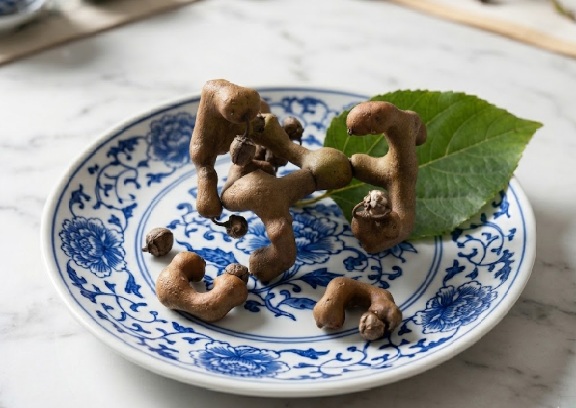
Japanese raisin tree comes from the fruiting stalks of the Japanese raisin tree, traditionally appreciated in Chinese dietary practice for its gently sweet character. Neutral to slightly warm in nature, it is often used to support fluid balance, digestive comfort, and overall clarity after rich meals or excess.
What Is Japanese Raisin Tree?
Japanese raisin tree refers to the dried, swollen fruiting peduncles of the Hovenia dulcis. Though commonly called a “raisin,” it is not related to grapes. The sweet, chewy stalk is harvested when mature and dried for traditional use. In Chinese herbal practice, it is known as Zhi Ju Zi and valued for its mild sweetness and supportive qualities.
Health Benefits of Japanese Raisin Tree
Supports Fluid Balance
Traditionally used to help maintain healthy fluid metabolism and encourage balanced hydration.
Promotes Post-Meal Comfort
Often enjoyed after heavy or rich foods to support digestive ease and a settled stomach.
Encourages Clear-Headed Feeling
Historically valued in traditional use for promoting a refreshed and clear sensation after overindulgence.
Supports Liver Harmony
Included in classical preparations associated with maintaining internal balance following excess food or drink.
How to Use Japanese Raisin Tree
Teas and Infusions
Steep sliced dried pieces in hot water to create a mildly sweet herbal beverage.
Light Decoctions
Simmer gently with complementary herbs for a balanced traditional preparation.
Post-Meal Herbal Drinks
Often prepared after rich meals as a supportive beverage.
Traditional Food Therapy
Occasionally added to simple recipes or soups intended to promote internal balance.
Where to Buy Japanese Raisin Tree
You can find Japanese raisin tree at:
- Asian grocery stores
- Traditional herbal shops
- Specialty health food stores
- Online herbal food suppliers
Look for:
- Clean, golden-brown pieces with a naturally sweet aroma
- No visible mold or excessive moisture
- Proper storage in a cool, dry environment
Are There Any Side Effects?
Japanese raisin tree is generally considered safe when used in culinary or tea amounts. Individuals trying it for the first time should begin with small quantities. Those with medical conditions or who are pregnant should consult a qualified health professional before regular use.
Conclusion
Japanese raisin tree is a gently sweet traditional ingredient valued for supporting fluid balance, digestive comfort, and post-meal clarity in teas and light preparations.
FAQs
Is Japanese Raisin Tree toxic?
No, Japanese raisin tree is not toxic when properly prepared and consumed in normal amounts.
Can Japanese Raisin Tree be used regularly?
Yes, it may be used occasionally in teas or traditional preparations as part of a balanced diet.
Is Japanese Raisin Tree warming or cooling?
It is generally considered neutral to slightly warm in nature and is traditionally used to promote balance after excess.