
Seaweed
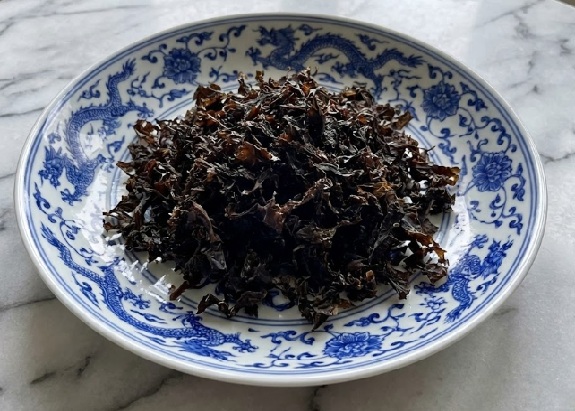
Seaweed (Hai Zao / Kun Bu): A Cooling, Salty Herb for Softening Hardness, Resolving Phlegm, and Supporting Metabolic Balance
Introduction
Seaweed, known as Hai Zao (海藻) or Kun Bu (昆布) in Traditional Chinese Medicine (TCM), refers to dried marine algae commonly used to soften hardness, resolve Phlegm, and clear Heat. Cold and salty in nature, it is traditionally used for conditions involving phlegm nodules, goiter, edema, and fluid accumulation.
What Is Seaweed (Hai Zao / Kun Bu)?
Seaweed in TCM typically includes species such as Sargassum pallidum (Hai Zao) and Laminaria japonica (Kun Bu). It primarily enters the Liver, Stomach, and Kidney meridians. Its actions focus on softening hardness, dissipating nodules, resolving Phlegm, promoting urination, and clearing Heat and Dampness.
Health Benefits of Seaweed (Hai Zao / Kun Bu)
Softens Hardness and Dissolves Nodules
Traditionally used for goiter, thyroid swelling, lymphatic lumps, and phlegm-related masses.
Resolves Phlegm and Clears Heat
Helps clear thick Phlegm and Heat accumulation, especially in chronic conditions with nodules.
Promotes Urination and Reduces Swelling
Supports the movement of fluids and is used for edema and water retention.
Supports Metabolic and Thyroid Health (Traditional Use)
Historically associated with conditions of swelling and stagnation linked to metabolic imbalance.
Clears Heat and Dampness
Useful for patterns involving Damp-Heat accumulation with swelling or fullness.
How to Use Seaweed (Hai Zao / Kun Bu)
As a Herbal Decoction
Simmered with other herbs to soften hardness, resolve Phlegm, and promote fluid movement.
In Medicinal Soups
Often used in nourishing or therapeutic broths combined with warming ingredients to balance its cold nature.
In Combination Formulas
Commonly paired with oyster shell, Prunella spike, or other Phlegm-resolving herbs.
Moderate Use
Cold and salty; dosage and combinations should be adjusted to constitution.
Where to Buy Seaweed (Hai Zao / Kun Bu)
You can find Seaweed at:
- Traditional Chinese medicine shops
- Asian herbal and dried seafood markets
- Online TCM herb retailers
Look for:
- Clean, dried strips or pieces
- Natural ocean scent without rancid odor
- No excessive salt residue or mold
- Proper identification as medicinal seaweed species
Are There Any Side Effects?
Seaweed is generally safe when used appropriately. Due to its cold and salty nature, excessive use may weaken digestion or aggravate Spleen deficiency. It should be used cautiously in individuals with cold digestion, loose stools, or during pregnancy unless prescribed by a qualified practitioner.
Conclusion
Seaweed (Hai Zao / Kun Bu) is a cooling, Phlegm-resolving TCM herb valued for softening hardness, clearing Heat, and supporting fluid metabolism, especially in conditions involving nodules and swelling.
FAQs
Is Seaweed the same as culinary seaweed?
Some medicinal seaweeds overlap with culinary varieties, but TCM uses specific species and preparations for therapeutic purposes.
Can Seaweed be used daily?
It is best used periodically or within formulas rather than as a daily standalone herb, especially for those with weak digestion.
Is Seaweed cooling or warming?
Seaweed is cooling and salty, making it most suitable for Heat, Phlegm, and excess conditions rather than Cold-deficiency patterns.