
Kelp Knot
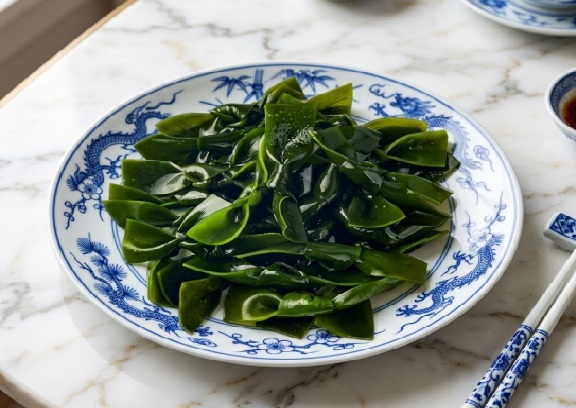
Kelp Knot (Hai Dai Jie): A Cooling Herb for Phlegm, Nodules, and Mineral Support
Introduction
Kelp knot, commonly known as Hai Dai (海带) in Traditional Chinese Medicine (TCM), is a salty, cold herb derived from edible seaweed. It is widely used to soften hardness, clear heat, transform phlegm, and support thyroid and metabolic health. Often included in soups and broths, it is especially valued for dissolving nodules, reducing swelling, and promoting fluid balance in the body.
What Is Kelp Knot?
Kelp knot refers to the tied or knotted form of dried kelp (Laminaria species), prepared for culinary and medicinal use. In TCM, it is classified as salty and cold, entering the Liver, Stomach, and Kidney meridians. It is prized for its ability to soften masses, resolve phlegm accumulation, and provide natural iodine and trace minerals.
Health Benefits of Kelp Knot
Softens hardness and dissipates nodules
Used for goiter, thyroid enlargement, cysts, and swollen lymph nodes.
Transforms phlegm and clears heat
Helps with phlegm-heat conditions such as chronic cough, chest congestion, or thick sputum.
Promotes urination and reduces swelling
Supports the reduction of edema, water retention, and damp accumulation.
Supports thyroid and mineral balance
Naturally rich in iodine and minerals that support metabolic and endocrine health.
How to Use Kelp Knot
In TCM soups and broths
Commonly added to herbal soups with pork, chicken, or bones to enhance mineral content and soften phlegm-related conditions.
In decoctions for nodules or phlegm
Used in formulas with Zhe Bei Mu, Xia Ku Cao, or Kun Bu to address lumps, goiter, or internal phlegm accumulation.
As a daily dietary ingredient
Can be soaked and added to stir-fries, salads, or simmered dishes for ongoing nutritional support.
Where to Buy Kelp Knot
- Available from Asian markets and TCM herbal shops
- And online sources such as Mayway, ActiveHerb, or Nuherbs.
Look for:
- Dried, dark green to brown knotted seaweed pieces
- Firm texture that softens after soaking
- Clean, slightly briny ocean aroma
Are There Any Side Effects?
Kelp knot is generally safe when used in moderate amounts as food or in soups. However, excessive intake may lead to too much iodine, which can affect thyroid function. It should be used cautiously in individuals with thyroid disorders or those sensitive to iodine. Avoid in cases of Spleen deficiency with cold or loose stools.
Conclusion
Kelp knot (Hai Dai) is a mineral-rich, cooling herb that softens nodules, transforms phlegm, and supports fluid metabolism. Commonly used in soups and formulas, it provides both therapeutic and nutritional benefits, especially for phlegm-heat and swelling conditions.
FAQ
Can kelp knot be used for thyroid issues?
Yes, it is traditionally used for goiter and thyroid swelling due to its iodine content and softening properties.
Is it safe for daily use?
Yes, in moderate dietary amounts, but excessive long-term intake should be avoided due to iodine levels.
Can it help with phlegm and congestion?
Yes, it helps transform phlegm and is often used in soups for respiratory and nodular conditions.