
Goji Leaf
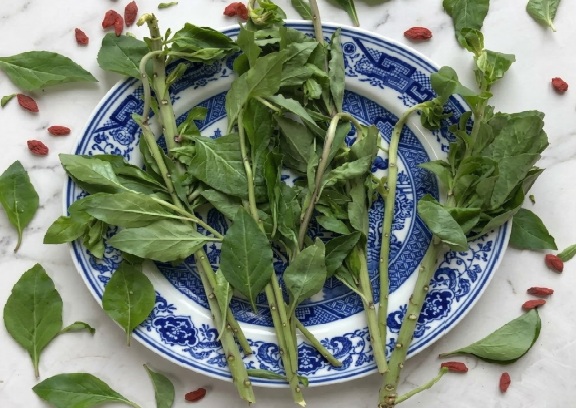
Goji Leaf (Gou Qi Ye): A Nourishing Herb for Cooling, Eye Health, and Gentle Detox
Introduction
Goji leaf, known as Gou Qi Ye (枸杞叶) in Traditional Chinese Medicine (TCM), is a mild, slightly bitter, and cooling herb commonly used in soups and teas. Derived from the leaves of the goji plant (Lycium barbarum), it is valued for its ability to clear heat, nourish the body, and support eye and liver health. It is widely used in light broths and herbal infusions for both its gentle flavor and therapeutic properties.
What Is Goji Leaf?
Goji leaf is a cooling herb that primarily enters the Liver and Lung meridians. In TCM, it is known for clearing heat, nourishing yin, and supporting vision. The leaves are typically used fresh or dried and are often added to soups or steeped into herbal teas, producing a mild, slightly herbal, and faintly bitter taste.
Health Benefits of Goji Leaf
Clears Heat and Supports Detoxification
Goji leaf helps reduce internal heat and is traditionally used to relieve symptoms such as dry throat, mild inflammation, or heat-related discomfort.
Supports Eye Health and Vision
It is commonly used to nourish the Liver, which in TCM is closely connected to eye health, helping with dryness, strain, or blurry vision.
Nourishes Yin and Moistens the Lungs
Goji leaf supports fluid balance in the body and may help ease dryness in the lungs, including dry cough or throat irritation.
Supports Skin Health
By clearing heat and nourishing fluids, it may contribute to healthier skin and help with mild skin irritation.
Aids Digestion Gently
It can support digestion without being harsh, making it suitable for light soups that promote overall balance.
How to Use Goji Leaf
In Herbal Preparations
Goji leaves are commonly simmered in soups or steeped into teas. In TCM, they are often combined with other cooling and nourishing herbs for balanced formulas.
In Daily Teas
Steep a small handful of dried or fresh goji leaves in hot water for 5–10 minutes. Drink warm, up to 1–2 cups daily.
As a Culinary Ingredient
Fresh goji leaves are frequently added to soups with ingredients like eggs, lean pork, or tofu, creating light, nourishing broths.
In TCM-Inspired Recipes
Goji leaf pairs well with ingredients like goji berries, chrysanthemum, ginger (for balance), or dates in soups and teas.
Where to Buy Goji Leaf
You can find goji leaves at:
- Asian grocery stores (fresh, when in season)
- TCM herbal shops (dried form)
- Specialty Chinese markets
- Online herbal retailers
Look for:
- Bright green leaves (if fresh), not wilted or yellow
- Clean, slightly herbal aroma
- Minimal debris or discoloration (for dried leaves)
- Properly sealed packaging for freshness
Are There Any Side Effects?
Goji leaf is generally safe when consumed in moderate amounts as a food or tea. Excessive intake may cause mild digestive discomfort in some individuals. As a cooling herb, those with very cold or weak digestion should use it in moderation or balance it with warming ingredients like ginger.
Conclusion
Goji leaf (Gou Qi Ye) is a gentle, cooling herb valued in TCM for supporting eye health, clearing heat, and nourishing the body. Its mild nature and versatility make it an excellent addition to soups and teas for daily wellness.
FAQs
Can I consume goji leaf every day?
Yes, in moderate amounts, especially when used in soups or light teas.
Does goji leaf help with eye health?
Yes. It is traditionally used to support vision and relieve eye dryness.
Can I combine goji leaf with other herbs?
Absolutely. It pairs well with goji berries, chrysanthemum, ginger, or red dates for balanced formulations.