
Pork Bones
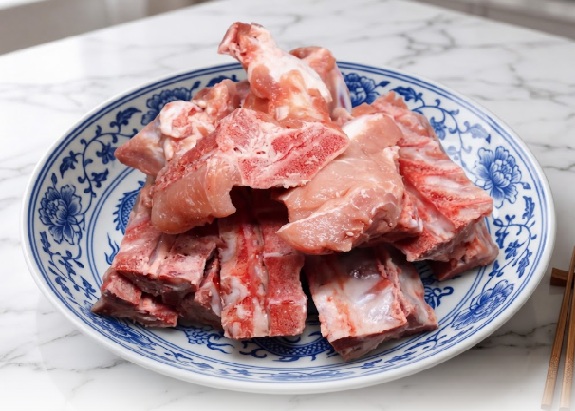
Pork Bones (Zhu Gu / Pork Bones): A Nourishing, Neutral Ingredient for Supporting Strength, Broth Nutrition, and Traditional Soups
Introduction
Pork bones have long been used in traditional Chinese cooking and food therapy for creating rich, nourishing broths. Valued for their deep flavor and nutrient content, they are commonly simmered for extended periods to extract minerals and natural gelatin, forming the foundation of many restorative soups.
What Are Pork Bones?
Pork bones refer to the bones of pigs, often including marrow bones, neck bones, spine, or leg bones. When simmered, they release collagen, minerals, and natural compounds that enrich soups with both flavor and nutritional value. Pork bones are widely used as a base ingredient in traditional Chinese soups and herbal broths.
Health Benefits of Pork Bones
Supports Joint and Bone Health
Slow-cooked pork bones release collagen and minerals that are traditionally believed to help support joint flexibility and bone strength.
Supports Skin and Tissue Nourishment
The natural gelatin extracted from pork bones is valued in food therapy for supporting skin hydration and overall tissue nourishment.
Supports Digestive Health
Rich bone broths made from pork bones are considered gentle on the stomach and may help support digestion and gut comfort.
Supports Overall Strength and Recovery
Pork bone soups are often consumed during recovery or periods of weakness to help nourish the body and restore energy.
Supports Yin and Fluid Nourishment
In traditional Chinese dietary therapy, pork bones are considered neutral to slightly cooling and are often used to help nourish body fluids and balance dryness.
How to Use Pork Bones
Pork Bone Soup Base
Blanch pork bones briefly, then simmer for 1–3 hours to create a rich, nourishing broth used as a base for soups.
Herbal Pork Bone Soups
Pork bones are commonly combined with herbs such as goji berries, red dates, dang gui, or Chinese yam to create balanced medicinal soups.
Vegetable Pork Bone Soup
Simmer pork bones with vegetables like carrots, corn, daikon radish, or lotus root for a mild, nourishing family-style soup.
Double-Boiled Herbal Soups
Pork bones can be used in slow double-boiled soups with herbs to create deeply nourishing, clear broths.
Congee or Rice Soup Base
Pork bone broth can be used as a base for congee, adding extra nutrition and flavor.
Traditional Food Therapy Recipes
Pork bones are widely used in traditional soups such as lotus root pork bone soup, watercress pork soup, and herbal tonic broths. They are often paired with both cooling and warming ingredients depending on the desired balance.
Where to Buy Pork Bones
You can find pork bones at:
- Asian grocery stores
- Butcher shops
- Supermarkets with fresh meat sections
Look for:
- Fresh, clean bones with minimal odor
- Bones with some marrow or connective tissue
- Light pink or off-white color
- Proper refrigeration and handling
Are There Any Side Effects?
Pork bones are generally safe when properly cooked. Excessive consumption of very rich broths may feel heavy for some individuals. It is important to skim impurities during cooking and ensure thorough boiling for food safety.
Conclusion
Pork bones are a foundational ingredient in traditional Chinese soups, valued for their ability to create deeply nourishing, mineral-rich broths that support overall wellness.
FAQs
Are Pork Bones toxic?
No, pork bones are not toxic when properly prepared and cooked.
Can Pork Bones be used regularly?
Yes, pork bone soups are commonly consumed as part of regular meals and traditional diets.
Are Pork Bones warming or cooling?
Pork bones are generally considered neutral, making them versatile for both nourishing and balancing soups.