
Five-Flower Tea Recipe for Everyday Wellness
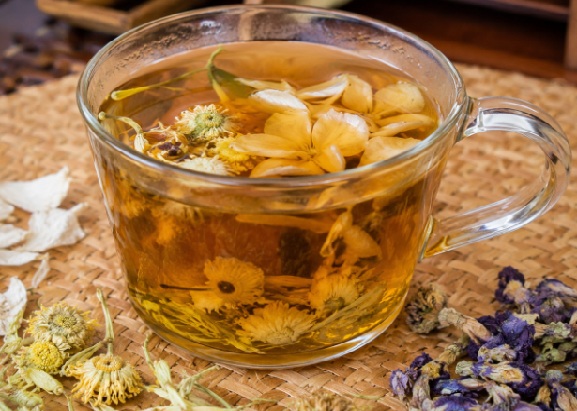
Five-Flower Tea Recipe for Everyday Wellness (4–5 servings)
Ingredients
- 5g dried Frangipani flowers
- 5g dried Chrysanthemum flowers
- 5g dried Honeysuckle flowers
- 5g dried Silk Cotton flowers
- 5g dried Pueraria (Kudzu) flowers
- 1.5–2 liters water
- Optional: rock sugar (to taste)
Instructions
- Rinse the herbs
Lightly rinse all the dried flowers under cold water to remove dust. - Boil the water
Bring 1.5–2 liters of water to a boil in a pot. - Add the herbs
Add all five flowers into the boiling water. - Simmer gently
Reduce heat and simmer for 20–30 minutes to extract the flavors. - Sweeten (optional)
Add rock sugar to taste and stir until dissolved. - Strain and serve
Strain out the herbs and serve warm, or let cool and chill for a refreshing cold tea.
Tips
- You can adjust the strength by adding more water for a lighter taste.
- Chill in the fridge for a more refreshing summer drink.
- Best consumed within 1–2 days.
Effects/Benefits
Frangipani flower (Ji Dan Hua): Helps clear heat and dampness while supporting digestion and relieving summer discomfort.
Chrysanthemum (Ju Hua): Clears heat and soothes the liver, commonly used for eye comfort and reducing internal heat.
Honeysuckle (Jin Yin Hua): Known for clearing heat and toxins, often used to support the body during heat-related conditions.
Silk Cotton flower (Mu Mian Hua): Helps clear heat and drain dampness, especially beneficial in humid climates.
Pueraria flower (Ge Hua): Supports digestion and helps relieve internal heat, traditionally used for detox and fluid balance.
Disclaimer
The information provided on this website is for educational and informational purposes only and is not intended as medical advice. Traditional Chinese Medicine (TCM) food therapy is a complementary approach and should not replace professional medical diagnosis, treatment, or advice.
Always consult a qualified healthcare provider before making changes to your diet, especially if you are pregnant, nursing, taking medications, or have a medical condition. Individual responses to herbs and foods may vary.