
Classic Homemade Watercress and Monk Fruit Soup Recipe
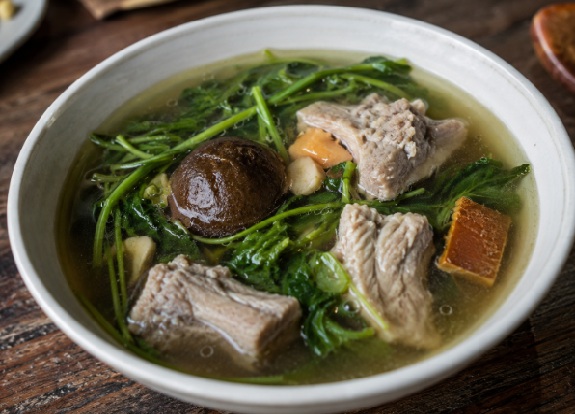
Classic Homemade Watercress and Monk Fruit Soup Recipe (Serves 3–4)
Ingredients
- 400 g pork ribs
- 1 large bunch fresh watercress (about 200–250 g)
- 1 whole monk fruit (luo han guo), lightly cracked
- 10–12 apricot kernels (nan/xing ren mix if available)
- 1 piece dried tangerine peel (chen pi), about 3–5 g
- 2–3 slices fresh ginger
- 2 liters water
- ½ tsp salt (adjust to taste)
Instructions
1. Prepare the Pork Ribs
- Bring a pot of water to a boil.
- Add pork ribs and blanch for 3–5 minutes to remove impurities.
- Drain and rinse under cold water. Set aside.
2. Prepare the Herbal Ingredients
- Rinse watercress thoroughly and trim tough stems.
- Lightly rinse apricot kernels.
- Rinse dried tangerine peel and soak for 5–10 minutes to soften.
- Crack the monk fruit into large pieces.
3. Start the Soup Base
In a large pot, add:
- 2 liters water
- Pork ribs
- Ginger slices
- Monk fruit
- Apricot kernels
- Dried tangerine peel
- Bring to a boil over high heat.
4. Simmer
- Once boiling, reduce to low heat.
- Cover and simmer for 1 to 1.5 hours.
5. Add Watercress
- Add the fresh watercress in the last 20–30 minutes of cooking.
- This keeps it vibrant and prevents overcooking.
6. Final Seasoning
- Add salt to taste.
- Skim off any excess oil if desired.
Effects/Benefits
Fresh Watercress: Rich in antioxidants and vitamin K, watercress supports bone health and may help reduce oxidative stress (NIH; USDA).
Monk Fruit (Luo Han Guo): Contains mogrosides with antioxidant and anti-inflammatory properties, traditionally used to soothe the throat and lungs (NCBI; Journal of Food Science).
Apricot Kernels (Xing Ren): Traditionally used in TCM to help relieve cough and support respiratory function due to bioactive compounds like amygdalin (Pharmacopoeia of PRC; NCBI).
Dried Tangerine Peel (Chen Pi): Aids digestion and helps regulate qi, with flavonoids that may support gut health and reduce bloating (Frontiers in Pharmacology; Chinese Materia Medica).
Pork Ribs: Provides high-quality protein, collagen, and essential minerals that support muscle repair and overall nourishment (USDA; Harvard T.H. Chan School of Public Health).
Fresh Ginger: Known for anti-inflammatory and digestive benefits, ginger can help reduce nausea and improve gut motility (NIH; NCCIH).
Disclaimer
The information provided on this website is for educational and informational purposes only and is not intended as medical advice. Traditional Chinese Medicine (TCM) food therapy is a complementary approach and should not replace professional medical diagnosis, treatment, or advice.
Always consult a qualified healthcare provider before making changes to your diet, especially if you are pregnant, nursing, taking medications, or have a medical condition. Individual responses to herbs and foods may vary.