
Acerola Fruit
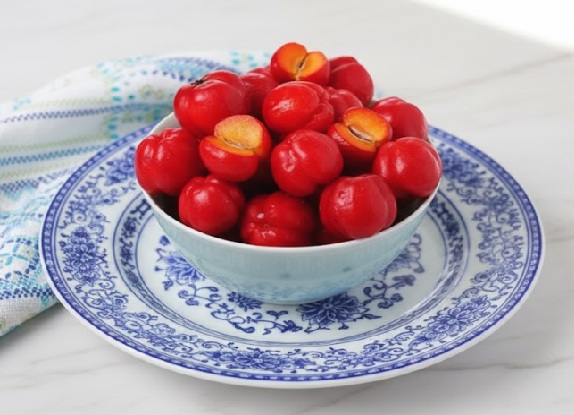
Acerola Fruit (Malpighia emarginata): A Sour, Sweet, Cool Food Therapy for Nourishing Fluids, Supporting Immunity, and Promoting Skin Health
Introduction
Acerola Fruit, also known as Barbados cherry, is valued in natural food therapy for its exceptionally high vitamin C content and refreshing, cooling nature. Sour, sweet, and slightly cool in quality, it is traditionally used to nourish body fluids, support immune resilience, and promote healthy skin.
What Is Acerola Fruit?
Acerola Fruit is the bright red cherry-like fruit of Malpighia emarginata, a tropical shrub native to Central and South America and the Caribbean. It is widely consumed fresh, as juice, or in powdered form. Known for containing one of the highest natural concentrations of vitamin C, it is often used as a whole-food alternative to synthetic ascorbic acid supplements.
Health Benefits of Acerola Fruit
Supports Immune Function
Rich in natural vitamin C and antioxidants that help support the body’s immune defenses.
Nourishes Body Fluids
Its cooling and hydrating qualities may help relieve dryness and support overall fluid balance.
Promotes Skin Health
Vitamin C supports collagen production and helps maintain healthy, resilient skin.
Provides Antioxidant Protection
Contains flavonoids and carotenoids that help protect cells from oxidative stress.
How to Use Acerola Fruit
Fresh or Frozen Fruit
Eat fresh when available or blend frozen pulp into smoothies.
Juice
Dilute pure acerola juice with water for a refreshing beverage.
Powdered Form
Add acerola powder to smoothies, yogurt, or warm (not hot) water to preserve vitamin C content.
For Daily Support
Often used as a gentle daily vitamin C source during seasonal changes or periods of increased stress.
Where to Buy Acerola Fruit
You can find Acerola Fruit at:
- Health food stores
- Latin American grocery stores
- Online supplement retailers
- Natural food markets
Look for:
- Bright red color (fresh or frozen)
- Minimal added sugars (in juices or powders)
- Pure fruit powder without fillers
- Fresh, tangy aroma
Are There Any Side Effects?
Acerola Fruit is generally considered safe when consumed as a food. Because it is very high in vitamin C, excessive intake may cause mild digestive discomfort in sensitive individuals. Moderation is recommended.
Conclusion
Acerola Fruit is a nutrient-dense food therapy fruit known for supporting immunity, nourishing fluids, promoting skin health, and providing powerful antioxidant protection.
FAQs
Is Acerola Fruit toxic?
No, it is considered non-toxic when consumed as a food or natural supplement.
Can Acerola Fruit be used daily?
Yes, it is commonly used daily in moderate amounts as a whole-food source of vitamin C.
Is Acerola Fruit warming or cooling?
It is considered slightly cooling, helping to refresh and nourish the body while supporting immune function.