
Fermented Rice
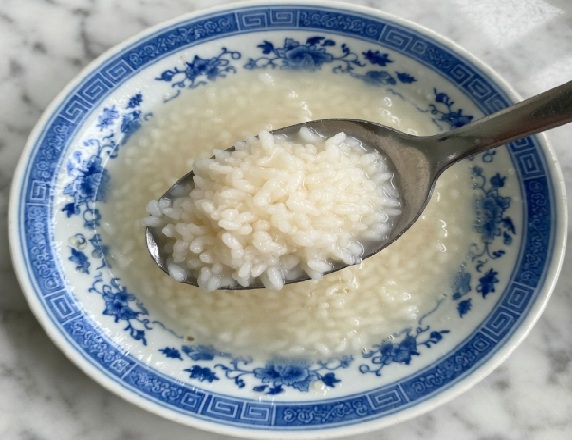
Fermented Rice: A Traditional Food for Digestion, Energy, and Gut Health
Introduction
Fermented rice, known in various cultures as a naturally cultured or “soured” rice preparation, is valued for its enhanced digestibility and probiotic qualities. While not a classical standalone herb in Traditional Chinese Medicine (TCM), fermented rice aligns with TCM dietary therapy principles, supporting digestion, strengthening the Spleen, and promoting overall vitality. With a mildly sour taste and warming, activating nature, it is used in porridges, drinks, and light meals for daily nourishment and recovery.
What Is Fermented Rice?
Fermented rice is made by soaking and allowing cooked or raw rice to ferment naturally with water over time, encouraging beneficial bacteria and enzymes to develop. In TCM terms, it is considered mildly warm and sour, entering the Spleen and Stomach meridians. The fermentation process increases nutrient availability, introduces probiotics, and makes the rice easier to digest compared to regular cooked rice.
Health Benefits of Fermented Rice
Supports Digestive Health
Rich in natural probiotics and enzymes, fermented rice helps balance gut flora, improve digestion, and reduce bloating.
Enhances Nutrient Absorption
Fermentation breaks down compounds in rice, making vitamins and minerals more bioavailable and easier for the body to absorb.
Boosts Energy and Vitality
Provides a gentle, sustained source of energy while supporting the Spleen in TCM, which is responsible for energy production from food.
Supports Gut Microbiome
Encourages the growth of beneficial bacteria in the intestines, contributing to overall gut health and immune support.
Helps Cool and Balance the Body
Traditionally consumed in some cultures as a cooling food, it may help reduce internal heat and support hydration when prepared as a rice water drink.
How to Use Fermented Rice
As a Fermented Rice Porridge
Consume 1 small bowl daily, either plain or lightly warmed. It can be eaten on its own or with simple additions like a pinch of salt or mild herbs.
As a Rice Water Drink
Strain the fermented liquid and drink it as a refreshing, mildly sour tonic to support digestion and hydration.
In Light Soups
Add small amounts of fermented rice to soups for a slightly tangy flavor and digestive support, especially in simple broths.
As a Breakfast Food
Traditionally eaten in the morning for easy digestion and gentle energy, especially beneficial for those with low appetite or digestive weakness.
Where to Buy Fermented Rice
Fermented rice is usually made fresh at home rather than purchased. However, similar products or starters may be found at Asian grocery stores, fermentation supply shops, or online retailers. Look for clean, natural preparation methods without additives.
Are There Any Side Effects?
Fermented rice is generally safe when properly prepared. Over-fermentation or improper storage may lead to spoilage. Some individuals may experience mild digestive sensitivity when first consuming fermented foods. Start with small amounts and ensure it is fresh and not overly sour or contaminated. Pregnant individuals should consume cautiously and ensure proper hygiene in preparation.
Conclusion
Fermented rice is a simple yet powerful traditional food that supports digestion, gut health, and energy. Whether enjoyed as porridge or a fermented drink, it offers gentle nourishment and aligns with TCM principles of balanced, restorative eating.
FAQs
Can I eat fermented rice every day?
Yes, in small amounts, it can be consumed daily to support digestion and gut health.
Does fermented rice taste different from regular rice?
Yes, it has a mildly sour, slightly tangy flavor due to the natural fermentation process.
Is fermented rice suitable for soups or teas?
Yes, it can be added to light soups or consumed as a strained fermented rice drink for digestive support.