
Green Tea Leaf
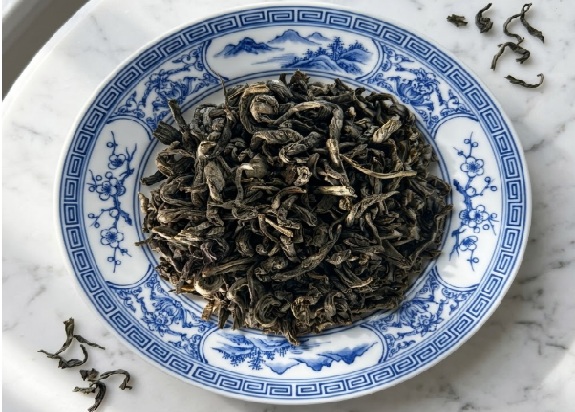
Green Tea Leaf (Lu Cha): A Refreshing Herb for Antioxidants, Focus, and Metabolism Support
Introduction
Green tea leaf, known as Lu Cha (绿茶) in Traditional Chinese Medicine (TCM), is a slightly bitter and cooling herb commonly consumed as a beverage. Made from the unoxidized leaves of Camellia sinensis, it is valued for its ability to clear heat, support digestion, and promote mental clarity. Widely used in teas and occasionally in light culinary applications, green tea is appreciated for both its refreshing taste and therapeutic benefits.
What Is Green Tea Leaf?
Green tea leaf is a cooling herb that primarily enters the Heart, Lung, and Stomach meridians. In TCM, it is known for clearing heat, resolving toxicity, and aiding digestion. The leaves are typically dried and brewed into tea, producing a light green to yellow infusion with a fresh, slightly grassy, and mildly bitter taste.
Health Benefits of Green Tea Leaf
Rich in Antioxidants and Clears Heat
Green tea leaf is high in natural antioxidants that help reduce internal heat and protect the body from oxidative stress. It is often used to cool the system and support overall wellness.
Supports Mental Clarity and Focus
Green tea contains mild caffeine and amino acids that help improve alertness and concentration without the jitteriness associated with stronger stimulants.
Aids Digestion and Reduces Food Stagnation
It helps promote digestion, especially after heavy or greasy meals, and can relieve mild bloating or discomfort.
Promotes Metabolism and Weight Balance
Green tea is traditionally used to support metabolism and assist in maintaining a healthy weight when combined with a balanced diet.
Supports Heart and Circulation Health
Regular consumption may support healthy circulation and cardiovascular function.
How to Use Green Tea Leaf
In Herbal Preparations
Green tea leaves are typically steeped in hot water to create a simple infusion. In TCM, it may be combined with other cooling herbs for enhanced effects.
In Daily Teas
Steep 1–2 teaspoons of green tea leaves in hot (not boiling) water for 2–3 minutes. Drink warm or cooled, up to 2–3 cups daily.
As a Culinary Ingredient
Green tea powder (matcha) or brewed tea can be used in desserts, soups, or rice dishes to add subtle flavor and health benefits.
In TCM-Inspired Recipes
Green tea can be paired with ingredients like chrysanthemum, mint, or goji berries for a balanced, refreshing herbal tea.
Where to Buy Green Tea Leaf
You can find green tea leaves at:
- Asian grocery stores
- TCM herbal shops
- Specialty tea shops
- Online tea retailers
Look for:
- Bright green, intact leaves
- Fresh, clean aroma (not stale or musty)
- Minimal dust or broken particles
- Properly sealed packaging to preserve freshness
Are There Any Side Effects?
Green tea leaf is generally safe when consumed in moderation. However, excessive intake may cause insomnia, restlessness, or stomach discomfort due to its caffeine content. It is best avoided on an empty stomach or late at night, especially for those sensitive to caffeine.
Conclusion
Green tea leaf (Lu Cha) is a refreshing and widely used herb that supports antioxidant activity, mental clarity, and digestion. Its versatility and gentle cooling nature make it a valuable addition to daily wellness routines.
FAQs
Can I consume green tea leaf every day?
Yes, moderate daily consumption (2–3 cups) is generally safe and beneficial for most people.
Does green tea leaf help with focus and energy?
Yes. It provides mild stimulation that supports alertness and concentration.
Can I combine green tea leaf with other herbs?
Absolutely. It pairs well with herbs like chrysanthemum, mint, or goji berries for added benefits.