
Raspberry Leaf
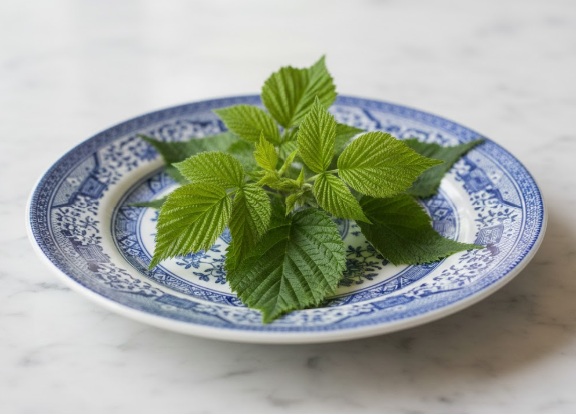
Raspberry Leaf (Fu Pen Ye): A Gentle, Neutral Food Therapy for Toning the Uterus, Supporting Digestion, and Strengthening the Body
Introduction
Raspberry Leaf, known as Fu Pen Ye (覆盆叶) in Traditional Chinese Medicine (TCM) food therapy, is traditionally used to tonify and stabilize, support digestion, and gently strengthen the body. Mild, slightly astringent, and neutral in nature, it is valued for nourishing without being overly stimulating, promoting balance, and supporting overall vitality.
What Is Raspberry Leaf (Fu Pen Ye)?
Raspberry Leaf comes from the leaves of the raspberry plant rather than the fruit itself. In TCM and Western herbal traditions, it is considered gentle and supportive, helping to strengthen and stabilize bodily functions. It is commonly dried and used as a tea or added to herbal blends, where its mild flavor and tonifying properties make it suitable for regular use.
Health Benefits of Raspberry Leaf (Fu Pen Ye)
Supports Uterine and Reproductive Health
Raspberry Leaf is traditionally used to tone and support the uterus, making it especially valued in women’s health formulas for general strengthening and balance.
Gently Supports Digestion
Its mild astringent quality may help support digestive function, especially in cases of loose stools or digestive weakness without Heat.
Strengthens and Stabilizes the Body
Used as a gentle tonic, Raspberry Leaf helps promote overall stability and resilience without being overly warming or drying.
How to Use Raspberry Leaf (Fu Pen Ye)
As a Food Therapy
Steep dried raspberry leaves as a mild herbal tea, enjoyed on its own or blended with other gentle herbs.
As a Daily Support
Often used regularly in moderate amounts for ongoing tonification and general wellness.
In Traditional Preparations
Commonly paired with herbs like jujube, goji berry, rose, or ginger (in small amounts) to enhance balance and flavor.
Where to Buy Raspberry Leaf
You can find Raspberry Leaf at:
- Herbal shops
- Health food stores
- Online herbal retailers
Look for:
- Clean, whole dried leaves
- Natural green-brown color
- Fresh, mild herbal aroma without mustiness
Are There Any Side Effects?
Raspberry Leaf is generally very gentle and safe. Those with significant constipation or pronounced dryness should use it in moderation due to its mild astringent nature.
Conclusion
Raspberry Leaf (Fu Pen Ye) is a gentle TCM food therapy used to support uterine health, aid digestion, and promote overall balance and stability.
FAQs
Is Raspberry Leaf toxic?
No, it is non-toxic and widely used as a gentle herbal tea and food therapy.
Can Raspberry Leaf be used daily?
Yes, it is commonly used daily in moderate amounts due to its mild and supportive nature.
Is Raspberry Leaf warming or cooling?
It is considered neutral, making it suitable for a wide range of constitutions.