
Hawthorn Berry & Roselle Tea Recipe
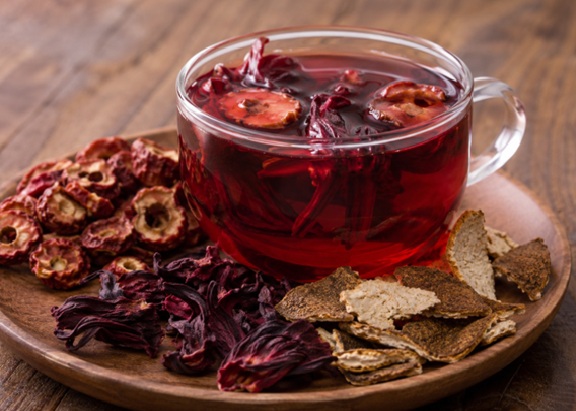
Hawthorn Berry & Roselle Tea Recipe (2–3 servings)
Ingredients
- 15 g dried hawthorn berries (山楂)
- 5–8 g dried roselle flowers (洛神花 / hibiscus)
- 1–2 pieces dried tangerine peel (陈皮)
- 800–1000 ml water
- Rock sugar or honey (optional, to taste)
Instructions
1. Rinse ingredients
- Quickly rinse the hawthorn berries, roselle flowers, and dried tangerine peel under cool water to remove dust.
2. Soak (optional but recommended)
- Soak all ingredients in warm water for about 5–10 minutes to help release flavors.
3. Simmer the tea
- Add all ingredients into a pot with 800–1000 ml of water.
- Bring to a boil over medium heat, then reduce to low heat and simmer for 15–20 minutes.
4. Adjust flavor
- Taste the tea.
- Add rock sugar or honey if you prefer a sweeter balance to the natural tartness.
5. Strain and serve
- Strain into cups or a teapot.
- Serve warm, or let it cool and chill for a refreshing iced version.
Tips
- More tartness: Add extra roselle flowers.
- More digestive support flavor: Increase hawthorn slightly.
- Smoother taste: Add a couple of dried red dates.
Effects/Benefits
Hawthorn berries (山楂): Traditionally used to support digestion and help regulate blood lipids, especially after heavy or fatty meals (National Center for Complementary and Integrative Health; Journal of Ethnopharmacology).
Roselle / Hibiscus (洛神花): Rich in antioxidants and may help lower blood pressure and support heart health (Nutrition Science; Journal of Hypertension; USDA data on polyphenols).
Dried tangerine peel (陈皮): Commonly used in Traditional Chinese Medicine to aid digestion, reduce bloating, and regulate qi (energy flow) (Traditional Chinese Medicine texts; Chinese Pharmacopoeia).
Rock sugar / honey (optional): Provides quick energy and can help soothe the throat while balancing the tea’s natural tartness (USDA FoodData Central; Mayo Clinic).
Disclaimer
The information provided on this website is for educational and informational purposes only and is not intended as medical advice. Traditional Chinese Medicine (TCM) food therapy is a complementary approach and should not replace professional medical diagnosis, treatment, or advice.
Always consult a qualified healthcare provider before making changes to your diet, especially if you are pregnant, nursing, taking medications, or have a medical condition. Individual responses to herbs and foods may vary.